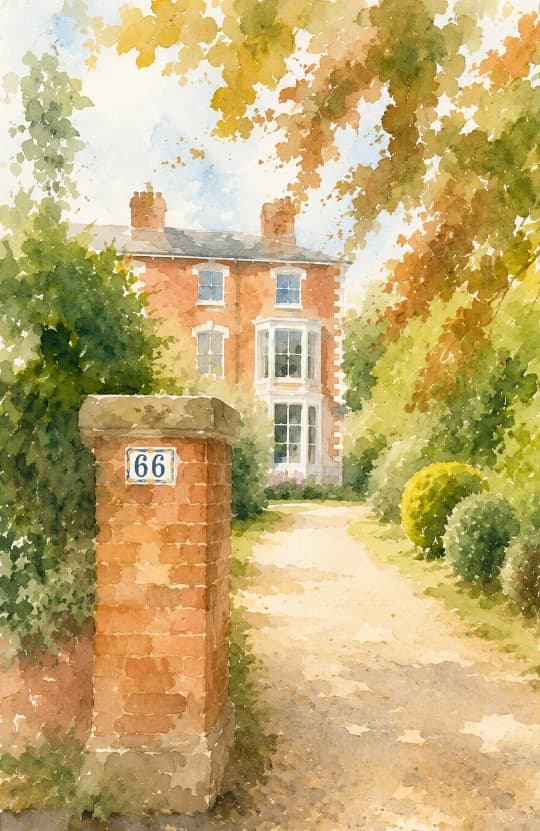
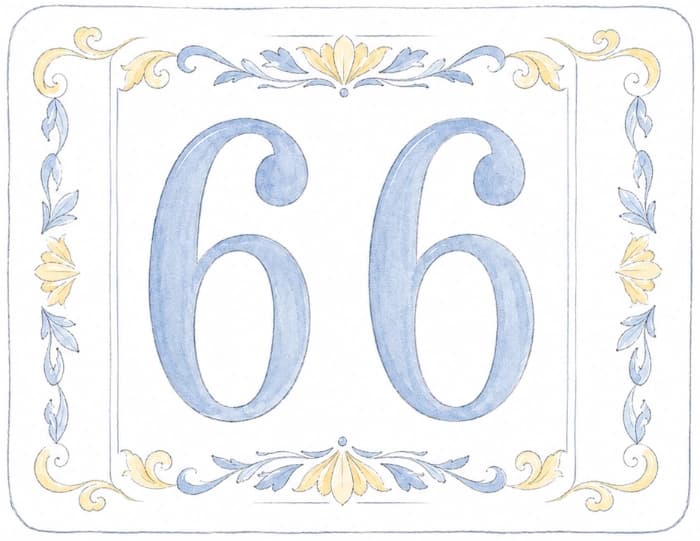
During the house hunt and purchase process, we referred to the property simply as 66. That shorthand stayed with us and eventually became the name of the app.
Like most house moves, the information quickly spread across emails, survey reports, solicitor updates, mortgage documents, supplier accounts, handwritten notes and an increasingly long list of jobs.
There were things that had to happen before exchange, others that depended on the completion date, services to cancel or transfer, address changes to make, repairs to investigate and room-by-room plans for the house itself.
I brought everything together into one master note. It helped at first, but as the move progressed, the note became another thing that needed managing.
Important jobs sat alongside ideas for future decorating. Contact details were mixed in with inspection notes. Urgent tasks were difficult to distinguish from things that could wait six months. Information about the house was useful, but hard to find when it was needed.
That was the point at which Sixty6 started to take shape.
Why an app?
Information is only useful when you can act on it.
A document is useful for record-keeping, but it's not particularly good at helping you to act. You need to be able to see:
- what had to happen before exchange or completion;
- what was overdue or waiting on someone else;
- what tasks were urgent and which were simply ideas;
- what needed doing next month;
- how much time remained before exchange, completion or moving day;
- where surveys, quotes and important notes were stored;
- what had already been completed.
A connected view turns scattered parts of life into a simple plan you can follow, adjust and share. Most importantly, everyone in the household can work from the same information.
More than a moving checklist
The need does not end on completion day.
Once you move in, the focus changes from conveyancing and cancellations to repairs, maintenance, documents, improvements and the everyday management of a home.
Boiler services, insurance records, appliance manuals, contractor quotes and renovation plans tend to accumulate across inboxes, drawers and cloud folders. Years later, it can be difficult to remember what was done, who carried it out or where the paperwork was stored.
Sixty6 keeps a durable record of the home: one place for the practical information that builds up before, during and long after a move.
Designed around real households
Five principles for a calmer household.
Each one keeps the workspace useful when plans change and information starts to pile up.
Keep the next step visible
Urgent, overdue and waiting tasks should be easy to find without searching through a long list.
Separate now from later
A leaking pipe and a future decorating idea should not compete for the same attention.
Connect the details
Tasks, rooms, issues, costs, contacts, notes and documents are more useful when they relate to one another.
Preserve the history
Completed work, inspections and decisions should remain available as a useful record of the property.
Keep household information private
The details held in Sixty6 can include financial information, legal documents and photographs of the home. Each household is therefore treated as its own private security boundary.
What Sixty6 is today
A private workspace for the whole household.
Sixty6 grew from one real move and the need to bring tasks, dates, property details, issues, costs, contacts and documents together in a way that was easier to manage.
Today, those practical records live in one connected household workspace. Everyone can work from the same plan, while each household stays private.
The same record continues after moving day, making Sixty6 useful for the intense weeks around a move and the slower work of maintaining and improving a home.